Why CA-45's Housing Crisis Is a Policy Problem, Not a Market Problem
May 8, 20264 min

On April 2, 2026, I submitted a comprehensive 420-line financial and operational housing blueprint directly to the Fountain Valley City Council and Planning Commission. It detailed a self-funding, resident-driven strategy to deploy our city's reserved $10 million Low and Moderate Income Housing Asset Fund (LMIHAF).
The response from City Hall? Complete silence.
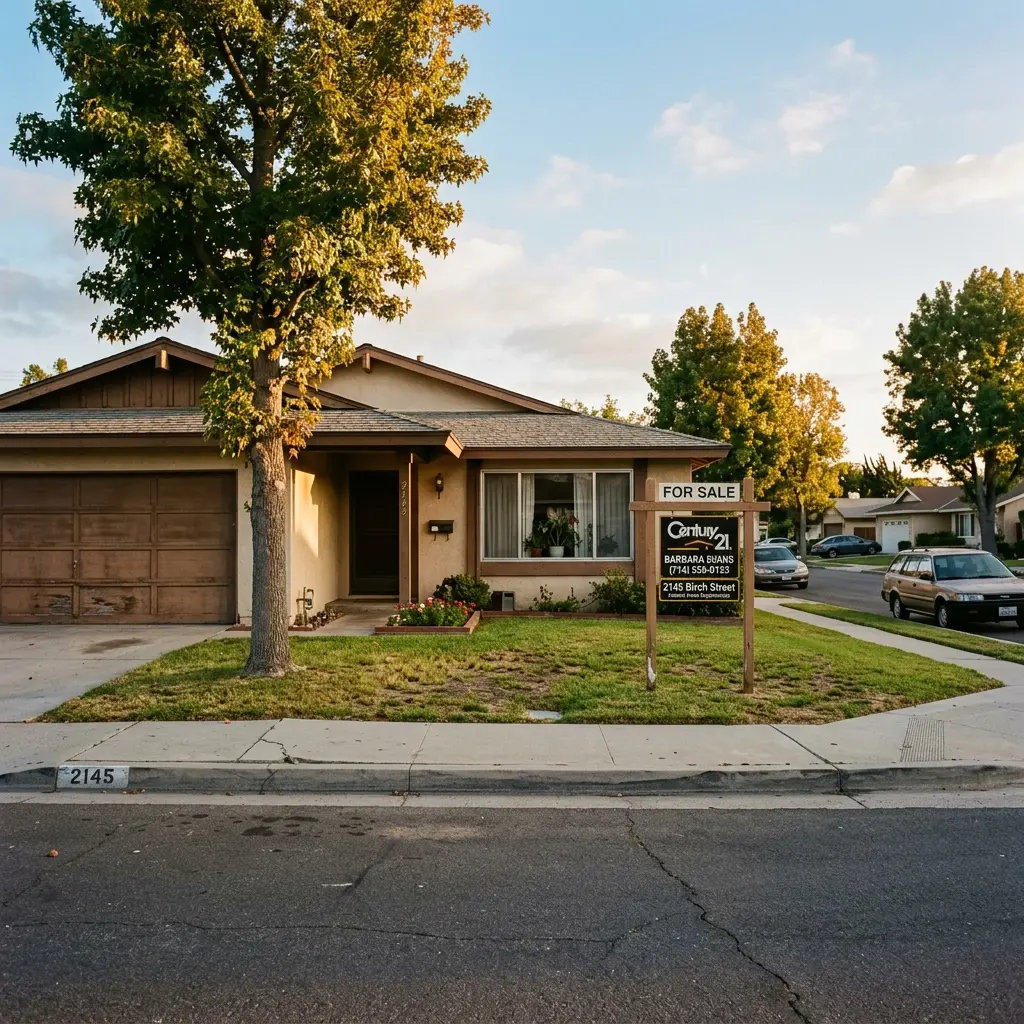
While our seated leaders ignore structural solutions, the affordability crisis continues to squeeze Fountain Valley families, seniors on fixed incomes, teachers, and young adults who grew up here but are priced out of starting their lives in their hometown. Meanwhile, Sacramento continues to impose aggressive regional housing mandates (RHNA) backed by punitive state overrides like the Builder's Remedy.
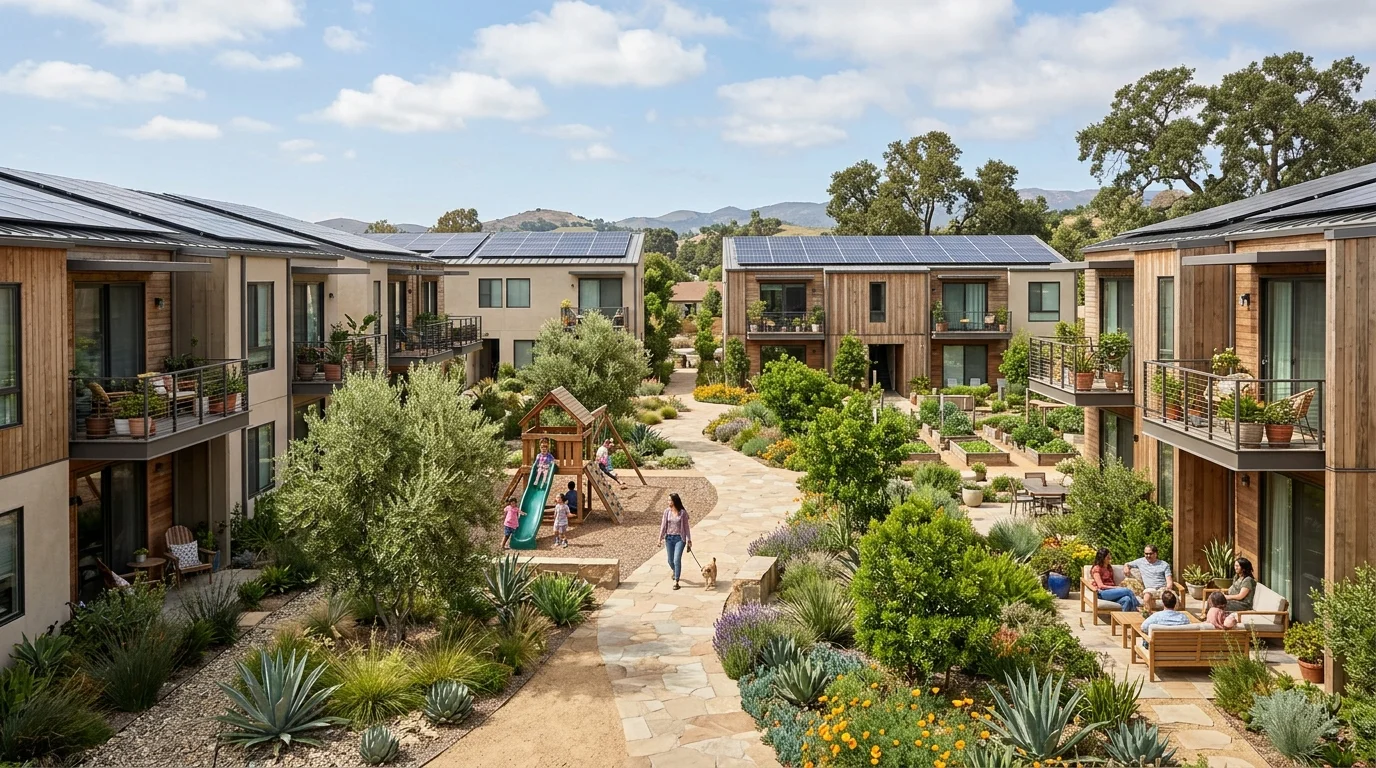
We don't have to choose between outside developer takeovers that destroy neighborhood character or burying our heads in the sand until state penalties hit. There is a third, mathematically sound way forward: an Opt-In Cooperative Housing Model where the local government facilitates resident wealth creation instead of burning public subsidies.
Under Orange County's conventional housing model, cities hand multimillion-dollar grants to outside non-profit developers. These projects routinely require public subsidies of $250,000 to $500,000 per door.
At that burn rate, Fountain Valley's entire $10 million housing reserve produces just 20 to 40 deed-restricted units before the money is permanently gone. Worse, standard stick-built construction costs have surged past $580 per square foot due to labor shortages and post-2025 international tariff shocks on steel and lumber. Conventional projects end up financially insolvent under prevailing interest rates, generating negative cash flows unless backed by endless state tax credits.
Rather than forcing top-down rezonings that divide neighborhoods, the Fountain Valley Cooperative Housing Initiative is 100% voluntary and resident-led.
Here is how the four-part engine works:
Participating homeowners capture life-changing economic security without leaving their community:
Here is the most critical fiscal distinction: the City's $10 million is not a permanent grant. It is structured with a 15% annual net cash flow sweep that repays the City in roughly 7 years.
Once repaid, the City re-deploys that exact same $10 million into the next cooperative cluster. Over a 30-year horizon, that single $10 million fund recycles 4 times:
We don't need to rezone entire single-family subdivisions overnight. We start where it makes the most sense:
Fountain Valley has the land value, the funding reserves, and the community strength to lead Southern California in housing innovation. All we need is leadership in City Hall willing to embrace practical arithmetic, respect property owner choice, and build generational wealth for our residents.
Mark Leonard is running for Fountain Valley City Council. This article is part of his campaign to bring fiscal transparency and community-first solutions to our city.
Share your thoughts on this issue. We're building a campaign grounded in the real concerns of Fountain Valley families and residents.